


 Monster Hunter Rise


A liberation campaign built around an expanding army
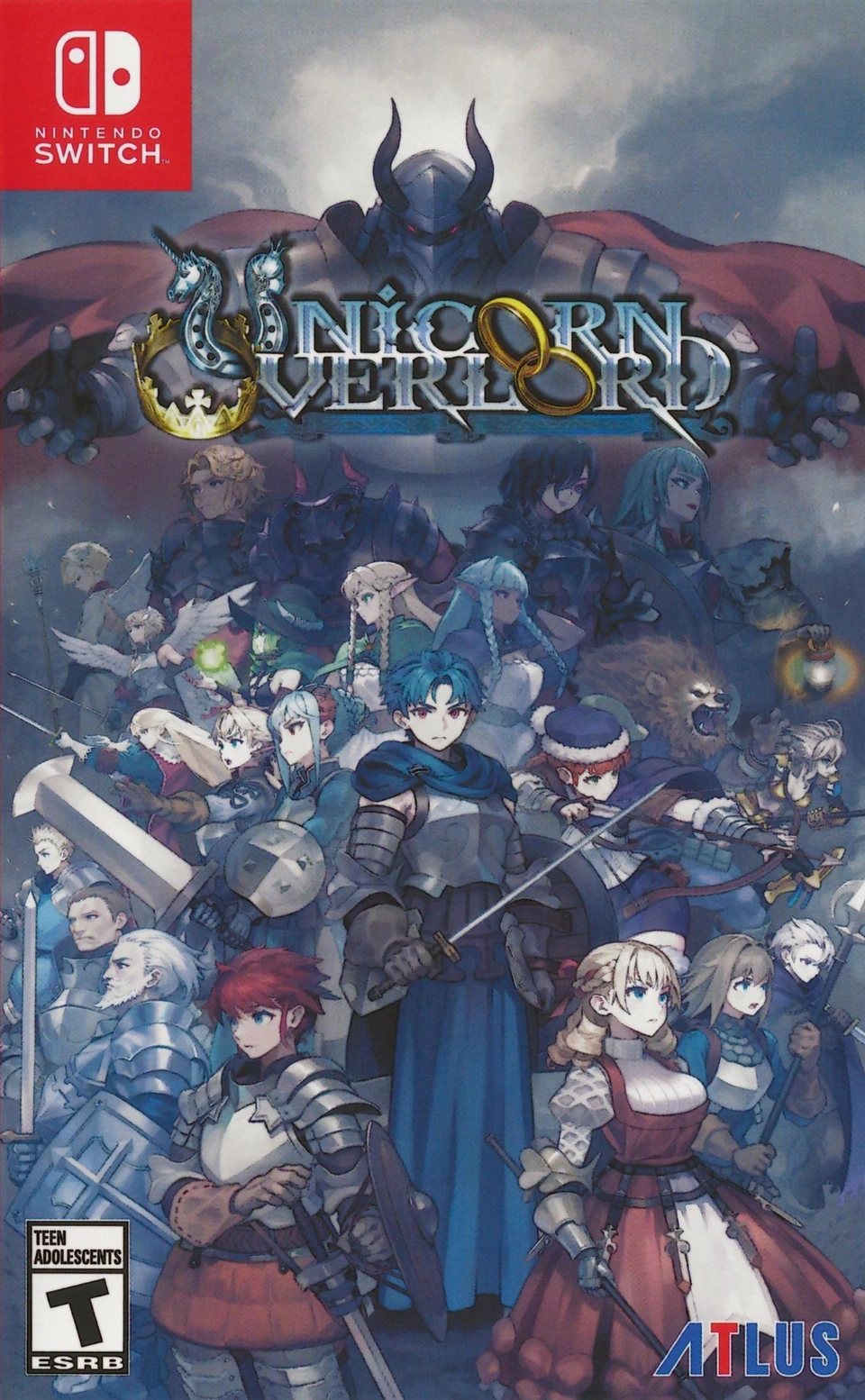
Vanillaware’s detailed fantasy presentation accompanies a journey through the nations of Fevrith. Recruiting allies and exploring the overworld support the campaign, while assembling those characters into useful units gives your collection a practical purpose.
The satisfying moment is often not finding a universally strongest character, but seeing a group solve the problem you designed it to handle. That makes observation valuable. Watch what is actually happening in an encounter before assuming that the only answer is a higher level or more equipment.
Formations and skill conditions shape each encounter
You direct units on battle stages, while their composition and configured skills influence how encounters unfold. Class types, equipment and the conditions attached to skills all matter. ATLUS’s own guidance emphasizes learning a new ally’s skills and considering which characters can support their activation conditions.
Begin with a small combination you understand. For example, decide which character needs protection and which effect is meant to create an opening for someone else. If the combination fails, inspect whether the required condition occurred before replacing every member of the unit.
Read predictions and plan a response before committing
Battle predictions give you information before an encounter. An unfavorable result is a reason to consider another unit, a different route or a revised formation. Overworld preparation, equipment purchases and recruiting also contribute to your options before a stage begins.
Use a prediction as a question to investigate rather than a number to ignore. What is this opponent doing that your current group handles poorly? A targeted adjustment teaches you more than sending the same unit into every situation and hoping the outcome changes.
Unicorn Overlord beginner tactics worth learning
ATLUS recommends an approachable difficulty while learning the systems and notes that it can be changed later. Give yourself room to understand the interactions before deciding how demanding you want the campaign to be.
- Read a new ally’s active and passive skills before assigning a role.
- Check whether equipment adds a useful skill or condition.
- Review battle predictions before committing a unit.
- Prepare several groups for different types of opposition.
- Use stage saves when experimenting with an uncertain strategy.
Who is Unicorn Overlord for?
It is a good fit for players who like building combinations and testing a plan. The animated battles make those decisions visible, while the campaign gives you reasons to revisit the composition of your army rather than leaving every unit unchanged.
If you want to command every individual strike as it happens, expect a different style of involvement. Your influence is strongly expressed through preparation, configuration and battlefield decisions. This page covers the Nintendo Switch version; descriptions of other platforms should not be used to identify the file listed here.
Frequently asked questions
Should I use the same unit against every enemy?
Different formations and class types create different match-ups. Preparing several understandable groups gives you more options than relying on one formation for everything.
What should I inspect after a bad battle prediction?
Look at the opposing unit, your formation, skill conditions and equipment. Change something that addresses a specific weakness.
Can I adjust the difficulty while learning?
Yes. ATLUS’s official tips describe changing difficulty settings and recommend an approachable starting level while learning the systems.
References
- Nintendo: game and platform information
- ATLUS: official game overview
- ATLUS: official basic and intermediate tactics guide
Content updated: