


 Monster Hunter Rise
A professor’s role in a divided Fódlan
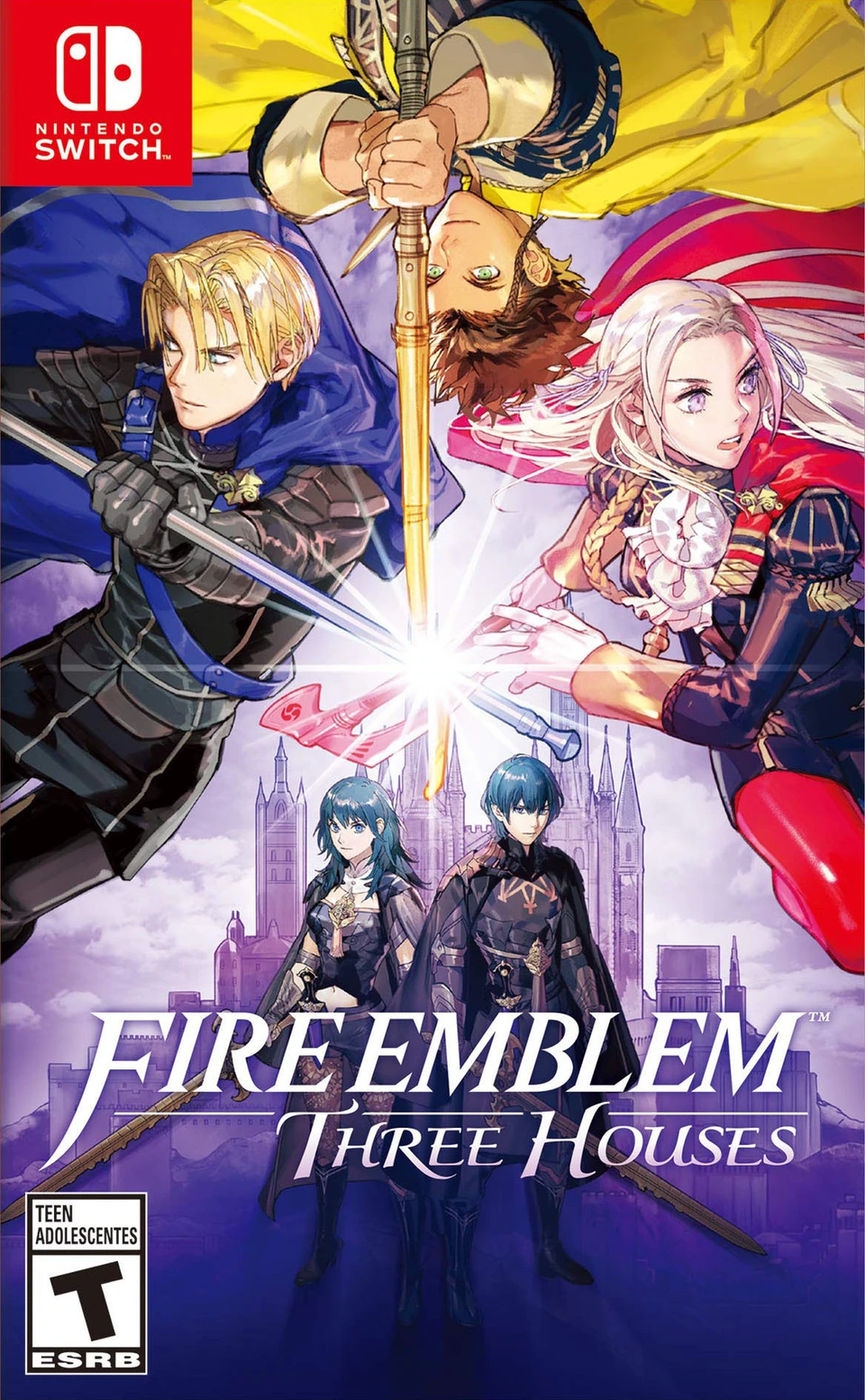
The Church of Seiros hosts the academy, where each house connects its students to one of Fódlan’s territories. Your choice gives the adventure a particular group to follow. The story’s interest comes partly from getting to know those students before asking them to face difficult situations together.
For a first playthrough, choosing a house whose people interest you is a reasonable starting point. You do not need to solve every possible route before beginning one. Let conversations and the current chapter give the journey its immediate meaning rather than treating the whole game as an optimization puzzle from the opening screen.
Tactical battles reward a plan for the whole group
In battle, you move units and choose actions on a tactical map. Position, range and the relationship between allies matter alongside individual strength. A tempting attack can become a poor decision if it leaves a unit exposed after the immediate exchange.
Before confirming a move, consider the position you will have when the action is over. Who can threaten that square, and which ally can help if the plan does not work? Thinking about the next enemy response is a useful habit because it connects a single attack to the wider state of the battle.
Connect teaching choices to a useful battlefield role
Teaching and development give you ways to shape the students you lead. Instead of selecting improvements without a purpose, think about what you want a unit to contribute. A role might involve dealing with a particular threat, supporting another ally or making the formation more reliable.
Try changing a small number of priorities at a time. When a unit becomes more useful, you can then recognize which preparation helped. A group whose roles you understand is easier to adapt than a collection assembled only from recommendations you have not yet learned to apply.
Beginner tips for a first Three Houses campaign
Give yourself time to learn the tactical map and the characters together. Battles are easier to care about when you recognize the people involved, and the story benefits from a pace that leaves room for their conversations.
- Read difficulty and battle-mode explanations before starting.
- Check enemy ranges before leaving a vulnerable unit exposed.
- Give each student a role you can explain.
- Use teaching priorities to support that role.
- After a difficult map, review one risky move instead of redesigning the entire force immediately.
Who should choose Fire Emblem: Three Houses?
Choose it if you enjoy deliberate combat and a story that gives your tactical decisions emotional context. It is particularly appealing when planning a formation is as interesting to you as seeing the next scene in the campaign.
It is a different rhythm from a real-time action game. Much of the satisfaction comes from considering an option before committing to it. If you like that pause to think, and want time to become attached to a cast, Three Houses is a distinctive choice among Nintendo Switch RPGs.
Frequently asked questions
Is Three Houses a real-time action game?
No. Its main battles are turn-based and tactical, with positioning and preparation central to your decisions.
Which house should a beginner choose?
A house whose cast interests you is a sensible first choice. You do not need a perfect plan for every possible route before beginning.
Why do teaching choices matter?
They help shape your students’ development. Connect those choices to the role you want each unit to perform in battle.
References
- Nintendo product information
Content updated: