

A journey across the living landscapes of Alrest
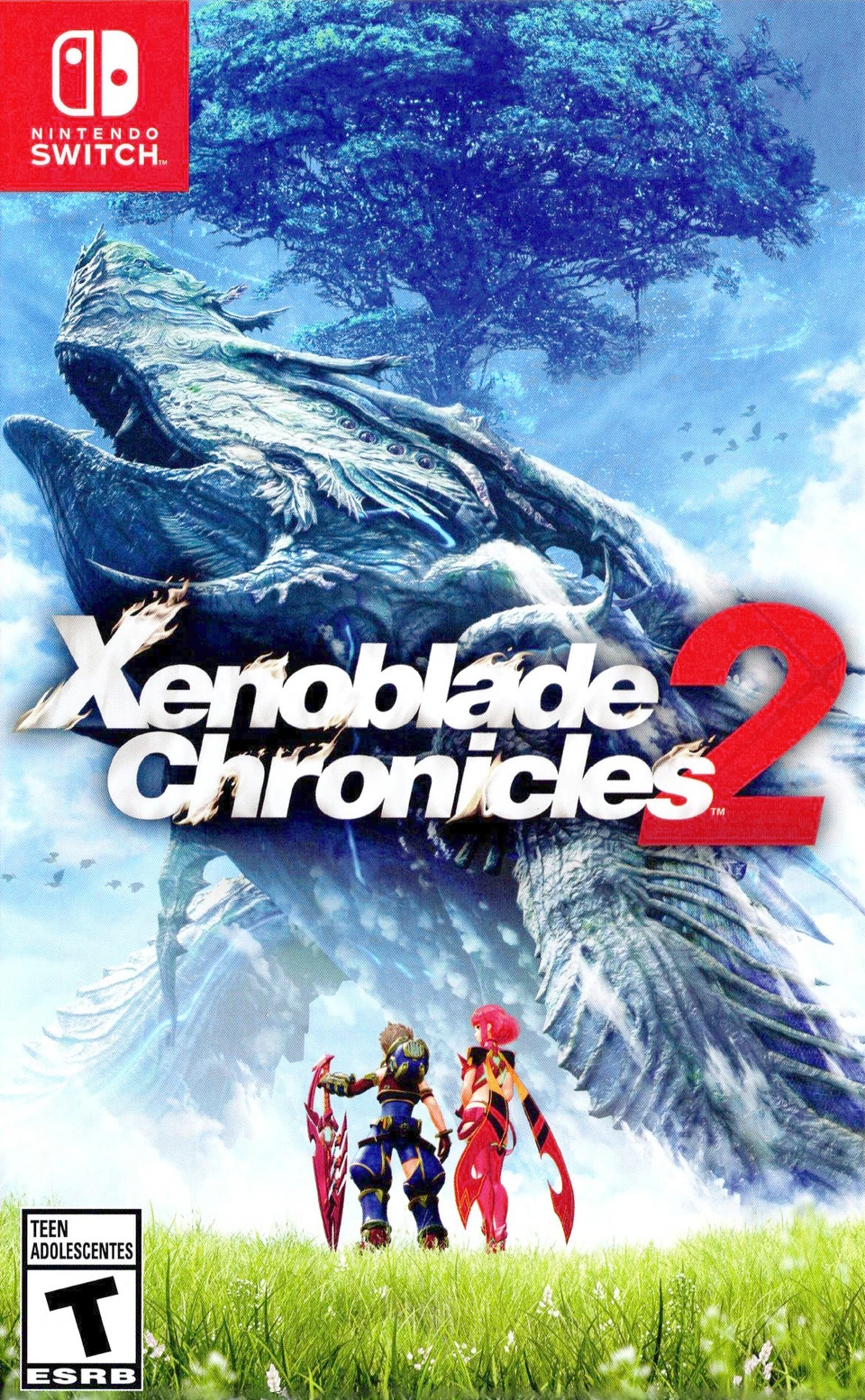
The Titans give the world a distinctive sense of scale. Their lands support different cultures and environments, with open areas and narrower routes to investigate. Rex’s search for Elysium with Pyra connects those places to a larger story about the future of the world.
Let exploration have a purpose beyond clearing every possible task. You might follow the main story for a while, then take time to become familiar with a particular region. Knowing where you are and what interests you there is often more rewarding than attempting to absorb an enormous world as a single checklist.
Drivers, Blades and the rhythm of combat
Drivers fight with the support of Blades, whose abilities affect the options available. Auto-attacks build toward Arts, and using Arts contributes to the larger sequence of battle abilities. That means the early rhythm is not simply pressing every available command as quickly as possible.
Begin by noticing when an action becomes available and what it accomplishes. The relationship between ordinary attacks, Arts and later abilities is easier to learn if you can describe one short sequence. A battle that looks crowded becomes more readable when you know which part of that sequence you are currently waiting for.
Build understanding before chasing a complicated combo
A useful party has reasons for its choices. Consider what each Driver and Blade contributes, how the group deals with pressure and which options help against the current opponent. Changing a component should answer a question rather than merely make the menu look different.
If a battle feels slow or confusing, review the instructions already introduced and practice in a manageable encounter. Give yourself one learning goal, such as recognizing an Art’s purpose or understanding a particular switch. Adding complexity after that is more satisfying than attempting a sophisticated combination without understanding its first step.
Xenoblade Chronicles 2 beginner tips
The game benefits from patience with its explanations. A short practice session can make later story encounters more enjoyable because you can pay attention to the situation instead of struggling with the interface.
- Learn the connection between auto-attacks and Arts first.
- Read newly introduced instructions before adding more systems to your plan.
- Choose party changes with a specific role or problem in mind.
- Use a familiar encounter to test one mechanic at a time.
- Balance story progress with enough exploration to recognize the places you are visiting.
Who should choose Xenoblade Chronicles 2?
It suits players who want a substantial story and enjoy gradually understanding a complex combat system. The world’s scale and the relationships between its characters give the mechanical learning a strong setting.
If you prefer a game that explains its entire combat vocabulary immediately, allow time for adjustment. The payoff is in seeing the layers begin to connect. This article covers the Nintendo Switch release of Xenoblade Chronicles 2; the separate Torna adventure or a different hardware edition should be checked through its own listing.
Frequently asked questions
What is the difference between a Driver and a Blade?
A Driver is a combatant supported by Blades, whose weapons and abilities shape the Driver’s battle options.
Why can I not use every powerful ability immediately?
Combat has a building rhythm: auto-attacks help charge Arts, and Arts contribute to later abilities. Learning that sequence is a useful starting point.
Does this page automatically include Torna?
No. This is the main Xenoblade Chronicles 2 Nintendo Switch guide. Check separate adventures, expansions and file labels independently.
References
- Nintendo: world and platform information
- Nintendo: Drivers, Blades and the combat rhythm
Content updated: